.png)


The Power of Person-Centred Damp and Mould Remediation

Damp and mould continue to plague thousands of social housing homes across the UK. Beyond the physical damage to the property, these issues trigger respiratory illnesses, mental health strain, and a deep loss of trust among vulnerable residents, particularly children and the elderly.
In my many years working with councils and housing associations, I have seen how conventional methods falter. Approaches that prioritise cost or superficial treatments, like painting over the problem, often overlook the root cause, leading to misdiagnosis. Having a thorough, understanding of building fabrics and how they interact is crucial. To enable the issue to be solved, we must move beyond the bricks and mortar. We need engagement, buy in with the resident with a person-centred approach.
With the introduction of Awaab’s Law, the clock is ticking louder than ever. Social landlords face strict statutory timescales, investigating reported hazards within 10 working days and begin repair works within a further 5. For many in the sector, this is viewed purely as a logistical, KPI centred challenge. However, at Ecosafe, we see it as a relational one. You cannot fix without access.
If a resident feels blamed, judged, or is embarrassed by the state of their home, they are significantly less likely to report issues early or open the door to operatives. This "silence" is where the system can fail. By prioritising a blame-free, empathetic approach, we remove the fear factor. We have found that when residents trust us not to judge "lifestyle," they grant us access faster, allowing us to meet these critical safety dates without friction.
We embed this empathy from the very start, treating residents as individuals. From the initial call to our offices, to the onsite survey through to handover. We understand that when we enter a home to review causes of damp and mould, we are stepping into their space, their home, often during a stressful time for the family.
This is why we focus on blame-free support. Rather than pointing fingers, we supply supportive advice on simple ventilation habits to help reduce moisture levels and condensation around the home. Our teams are trained to recognise vulnerabilities, and act accordingly.
Ensuring our scheduling of appointments minimises disruption to daily life is just one of the many small details that helps put residents at ease. We know how important it is for people to feel comfortable and informed, so we plan our visits around their routines, communicate clearly in advance, and always aim to work quickly and efficiently. By being considerate with our scheduling, we show respect for residents’ time and create a smoother, more positive experience overall.
We strip away the technical jargon. In practice, we engage residents with accessible surveys, using everyday terms like "the size of a tea towel" to describe mould patches. This builds instant rapport, allows conversations to flow and gathers accurate data without overwhelming the resident with surveyor-speak.
Drawing from our experience on contracts with partners like Aster Group, Karibu and Stonewater we have seen that these practices do more than just fix physical faults; they rebuild trust.
Reviewing our data for the 2024/2025 period on a key contract, the most common descriptors residents used for our team included "clear communication," "listened with empathy," and "respectful."
Families tell us they feel “heard and supported”, a sentiment echoed in our customer satisfaction surveys, with the result being genuine improvement in long-term wellbeing.
Our empathetic approach is backed by rigorous processes. Proactive digital surveys help us pinpoint high-risk problems early, preventing health crises before they escalate. Digital tracking tools provide real-time visibility, empowering residents, with the information that they need about their home.
From my vantage point leading these efforts, the shift to person-centred damp and mould work is not just simply about compliance, it is transformative. By addressing lifestyle in a non-dictatorial way, property, and behavioural factors together, we reduce repeat works and the associated costs that burden both contractors and landlords.
It proves that when we put people first, everyone benefits residents regain safe homes, they feel listened too, landlords meet their legal obligations, and communities grow stronger.
About The Author

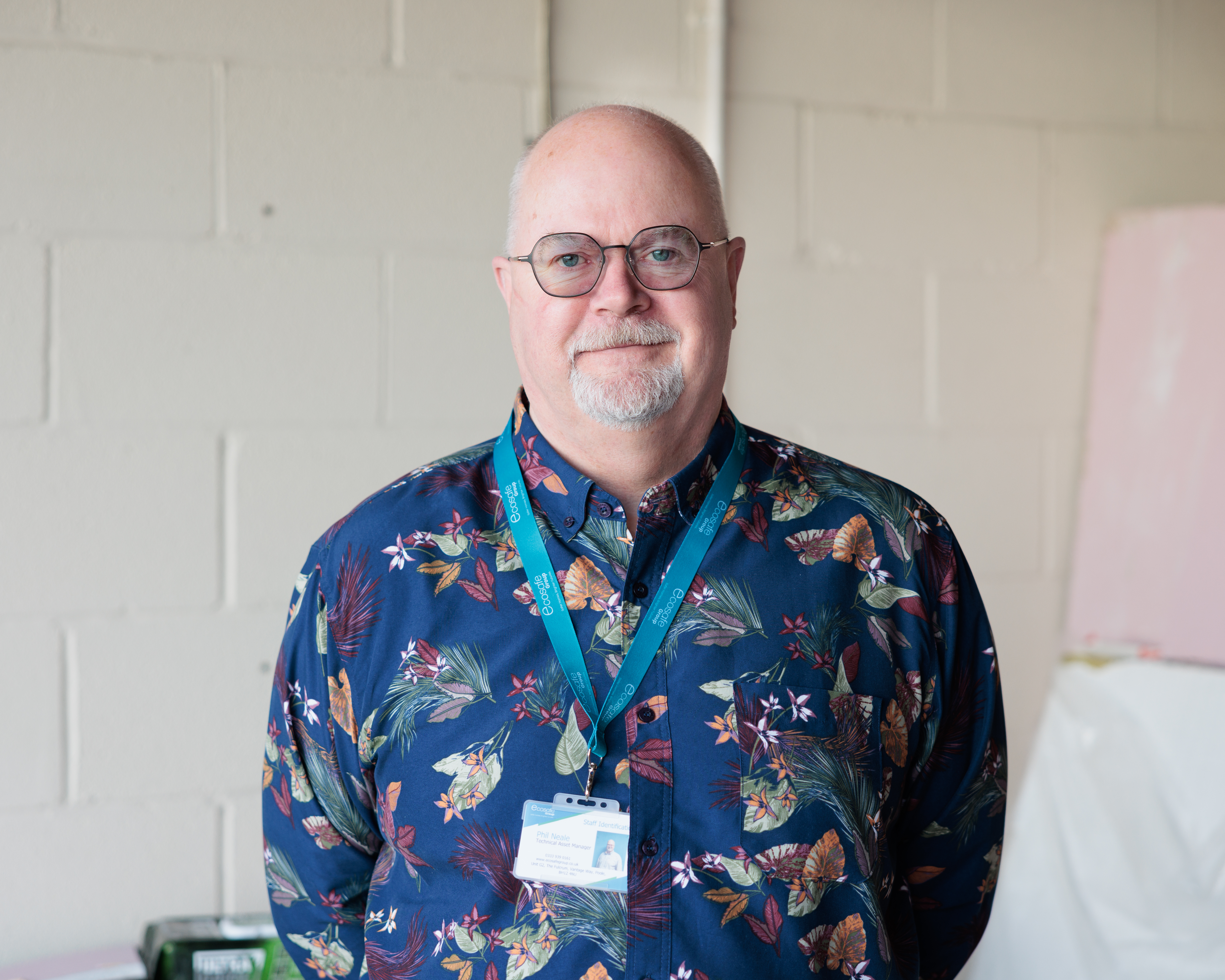
Phil serves as a Certified Retrofit Coordinator and Assessor at Ecosafe Group, bringing over 30 years of expertise in delivering affordable warmth and tackling fuel poverty. His specialism covers energy efficiency to help housing providers cut costs, reduce carbon emissions, and deliver healthier homes, alongside building performance solutions for damp, mould, and fabric issues.
Phil also excels in leadership and strategy, focusing on stakeholder engagement, team building, and seamless project delivery. As a former fuel poverty advocate, he has improved thousands of homes across the UK through award-winning retrofit projects tailored to diverse communities, while raising retrofit standards nationwide.
At Ecosafe, Phil's person-centred approach ensures every project results in warmer, healthier, and more sustainable homes for residents, aligning with the company's empathetic, blame-free methods to address damp and mould while rebuilding trust.


